
Introduction
Owning a private aircraft provides unmatched freedom, flexibility, and convenience for business travel, personal journeys, and executive operations. However, maintaining a private aircraft requires careful planning, regular inspections, and a proactive approach to maintenance.
Aircraft repair problems can become expensive when small issues are ignored or detected too late. A minor mechanical concern, overlooked component wear, or delayed inspection can eventually lead to significant repairs, unexpected downtime, and operational disruptions.
Unlike ordinary vehicles, private aircraft operate under complex engineering systems where every component plays an important role in performance and safety. Engines, avionics, structural components, landing systems, and electrical systems require continuous monitoring and professional attention.
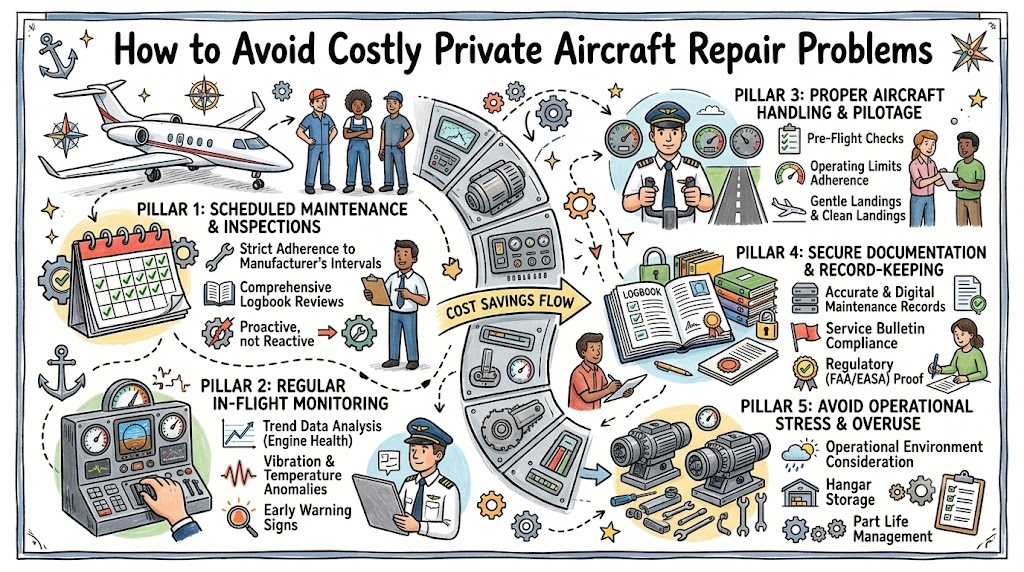
The best way to avoid expensive private aircraft repair problems is to focus on preventive maintenance. By identifying potential issues early, maintaining accurate records, and partnering with experienced aviation professionals, aircraft owners can protect their investment and improve long-term reliability.
Why Private Aircraft Repair Problems Become Expensive
Private aircraft maintenance costs can increase significantly when problems are not addressed at the right time. Many expensive repairs begin with small warning signs that are overlooked.
Understanding the common causes behind costly repairs can help owners make better maintenance decisions.
Delayed Maintenance Actions
One of the biggest reasons aircraft repairs become expensive is delaying necessary maintenance.
Small issues can gradually affect other aircraft systems. For example, a minor component problem may create additional stress on related systems, leading to more extensive repairs.
Regular maintenance helps identify these issues before they become larger challenges.
Ignoring Early Warning Signs
Aircraft often provide indications when something requires attention.
Warning signs may include:
- Unusual vibrations
- Changes in aircraft performance
- Warning alerts
- Reduced system efficiency
- Increased fuel consumption
- Unusual sounds
Ignoring these signals can allow problems to develop into more complex repair requirements.
Lack of Proper Inspection Planning
Aircraft require scheduled inspections based on operational requirements, aircraft usage, and manufacturer recommendations.
Without proper inspection planning, important maintenance tasks may be missed, increasing the possibility of unexpected failures and costly repairs.
Poor Maintenance Documentation
Accurate maintenance records are essential for understanding aircraft history.
Incomplete records can make it difficult to track:
- Previous repairs
- Component replacements
- Inspection schedules
- Maintenance patterns
Good documentation supports better decision-making and helps maintenance teams identify potential concerns.
Common Private Aircraft Repair Problems Owners Should Monitor
Private aircraft contain thousands of components working together. Regular monitoring helps identify problems before they affect aircraft performance.
Engine Maintenance Issues
The aircraft engine is one of the most critical and expensive systems.
Common engine-related concerns include:
- Performance changes
- Increased fuel consumption
- Abnormal sounds
- Vibration issues
- Component wear
Regular engine inspections and performance monitoring help detect potential problems early.
Preventive engine maintenance can help reduce unexpected repairs and improve operational reliability.
Avionics System Problems
Modern aircraft depend heavily on advanced avionics systems for navigation, communication, and flight operations.
Avionics problems may involve:
- Communication equipment failures
- Navigation system issues
- Electrical faults
- Software-related concerns
Regular avionics checks help ensure that aircraft systems continue operating effectively.
Structural Wear and Damage
Aircraft structures experience stress from regular operations and environmental conditions.
Potential structural concerns include:
- Corrosion
- Surface damage
- Component fatigue
- Wear from repeated operations
Regular inspections help identify structural problems before they require major repairs.
Landing Gear Maintenance Challenges
Landing gear systems experience significant stress during takeoff and landing cycles.
Common issues may include:
- Hydraulic system problems
- Component wear
- Mechanical failures
- Inspection concerns
Proper maintenance ensures landing systems remain reliable and functional.
Cabin and Interior System Repairs
Private aircraft owners also need to maintain cabin systems, including:
- Electrical equipment
- Climate control systems
- Seating mechanisms
- Entertainment systems
While these systems may not affect flight performance directly, proper maintenance improves passenger comfort and aircraft value.
The Importance of Preventive Aircraft Maintenance
Preventive maintenance is one of the most effective ways to avoid expensive aircraft repair problems.
Instead of waiting for failures to occur, proactive maintenance focuses on identifying and correcting issues before they become major concerns.
Benefits include:
Reducing Unexpected Repair Expenses
Regular inspections help identify problems at an early stage when repairs are often simpler and more manageable.
Improving Aircraft Reliability
Well-maintained aircraft experience fewer unexpected operational disruptions.
Reliable aircraft performance is especially important for business aviation where schedules and commitments depend on efficient travel.
Extending Aircraft Lifespan
Proper maintenance protects important aircraft components and helps preserve aircraft value over time.
Supporting Safety and Operational Confidence
A structured maintenance approach helps owners and operators maintain confidence in aircraft performance.
Early Warning Signs Your Aircraft May Need Maintenance
Aircraft owners should pay attention to changes in performance or system behavior.
Some important warning signs include:
Changes in Flight Performance
Unexpected changes in handling, efficiency, or system response may indicate maintenance requirements.
Increased Fuel Consumption
Higher fuel usage than normal can sometimes indicate engine or system inefficiencies.
Unusual Sounds or Vibrations
New sounds or vibrations should always be evaluated by qualified aviation professionals.
Frequent Minor Problems
Repeated small issues may indicate an underlying maintenance concern.
Warning Alerts
Aircraft warning systems provide important information and should never be ignored.
Early professional evaluation can help prevent larger repair challenges.
How Regular Aircraft Inspections Prevent Major Repairs
Regular inspections are essential for maintaining aircraft reliability.
Professional inspections help identify:
- Component wear
- System problems
- Structural concerns
- Electrical issues
- Maintenance requirements
Inspection programs allow maintenance teams to monitor aircraft condition and plan repairs before problems become urgent.
For aircraft owners, scheduled inspections also provide better control over maintenance planning and operating costs.
The Role of Aircraft Maintenance Records
Aircraft maintenance records provide valuable information about an aircraft’s condition and history.
Proper documentation helps with:
Tracking Aircraft Health
Maintenance records show patterns related to repairs, replacements, and inspections.
Planning Future Maintenance
Historical data helps maintenance teams prepare for upcoming requirements.
Protecting Aircraft Value
Well-maintained aircraft with complete records are easier to evaluate and manage.
Improving Repair Decisions
Detailed records help technicians understand previous maintenance activities and make informed recommendations.
Choosing the Right Private Aircraft Repair Partner
Selecting an experienced aircraft repair partner is an important decision for every aircraft owner.
Aviation Experience
Aircraft maintenance requires specialized knowledge and technical expertise.
Owners should work with professionals who understand private aircraft systems and maintenance requirements.
Technical Capability
A reliable repair partner should have the skills and resources required to handle different aircraft maintenance needs.
Quality-Focused Approach
Aircraft repairs require attention to detail and professional procedures.
Quality maintenance practices help improve aircraft reliability and reduce future problems.
Clear Communication
Good communication helps owners understand:
- Maintenance requirements
- Repair recommendations
- Service timelines
- Aircraft condition
Transparent communication creates better maintenance planning.
How EXECUTIVEAIRREPAIR.COM Supports Aircraft Reliability
Professional aircraft maintenance support helps owners take a proactive approach toward aircraft care.
EXECUTIVEAIRREPAIR.COM focuses on helping aircraft owners and operators address maintenance requirements through professional repair solutions, inspections, and aviation expertise.
By supporting preventive maintenance practices, aircraft owners can better manage repair requirements, reduce operational interruptions, and maintain aircraft performance.
A trusted aircraft repair approach helps transform maintenance from a reactive process into a strategic investment in reliability and long-term aircraft value.
Practical Tips to Reduce Private Aircraft Repair Costs
Aircraft owners can take several steps to avoid unnecessary repair expenses.
Follow Scheduled Maintenance Programs
Regular maintenance schedules help identify problems before they become serious.
Perform Routine Inspections
Frequent inspections provide better visibility into aircraft condition.
Address Minor Issues Quickly
Small problems should be evaluated before they affect larger aircraft systems.
Maintain Complete Records
Accurate documentation improves maintenance planning.
Monitor Aircraft Performance
Tracking aircraft behavior helps identify unusual changes early.
Work With Experienced Aviation Professionals
Qualified maintenance experts provide better guidance and technical support.
Common Mistakes Aircraft Owners Should Avoid
Choosing Repairs Based Only on Price
The lowest-cost option may not always provide the best long-term value. Aircraft maintenance requires quality, expertise, and reliability.
Ignoring Small Issues
Minor concerns can develop into expensive repairs when ignored.
Skipping Recommended Inspections
Regular inspections are essential for maintaining aircraft condition.
Poor Maintenance Planning
Reactive maintenance often creates higher costs and operational disruptions.
FAQs
1. Why is preventive maintenance important for private aircraft?
Preventive maintenance helps identify potential problems early, reduce unexpected repairs, improve reliability, and protect aircraft value.
2. What are the most common private aircraft repair problems?
Common issues include engine concerns, avionics problems, structural wear, landing gear maintenance needs, and electrical system issues.
3. How can aircraft owners reduce maintenance costs?
Owners can reduce costs by following maintenance schedules, performing inspections, maintaining records, and addressing problems early.
4. How often should private aircraft inspections be performed?
Inspection frequency depends on aircraft type, usage, operational requirements, and manufacturer recommendations.
5. What warning signs indicate aircraft repair issues?
Warning signs may include unusual sounds, vibrations, performance changes, increased fuel consumption, and system alerts.
6. Why are aircraft maintenance records important?
Maintenance records provide information about aircraft history, previous repairs, inspections, and future maintenance requirements.
7. How does regular maintenance improve aircraft reliability?
Regular maintenance helps identify problems early and keeps aircraft systems operating efficiently.
8. What should owners consider when choosing an aircraft repair company?
Owners should evaluate experience, technical capability, quality standards, communication, and aviation expertise.
9. Can small aircraft problems become expensive repairs?
Yes, small issues can become larger repair requirements if they are ignored or not addressed properly.
10. How does professional aircraft maintenance protect aircraft value?
Proper maintenance helps preserve aircraft condition, reliability, and long-term operational value.
Conclusion
Private aircraft ownership requires more than enjoying the benefits of business aviation and personal mobility. It requires responsible maintenance planning and proactive aircraft care. Costly repair problems often develop because of delayed inspections, ignored warning signs, or inadequate maintenance planning. By focusing on preventive maintenance, maintaining accurate records, and working with experienced aviation professionals, aircraft owners can reduce risks and improve reliability.

